
Same City.
Different Childhood.
Grocery receipts. Utility bills. School supply lists.
Laid side by side, across zip codes.
Weekly Groceries
$287.43
ZIP 10037 · Harlem, NY
Utilities · Aug
$312
ZIP 10037 · up 18% YoY
78% of food budget
The Ordinary World
This is one family's
week in numbers.
Maria works the 6am shift at a hospital laundry in the Bronx. Her husband Darnell drives for a delivery company Thursday through Sunday. Together they bring home about $68,000 a year. This is their week.
Groceries
$287
Fed 4 people. Skipped the name-brand cereal.
Utilities
$312
Turned the heat down to 64° at night.
Childcare
$275
2 days/week. Grandma covers the rest.
School supplies
$94
Backpack, folders, pencils. Teacher asked for paper.
Transportation
$160
Bus pass × 2. No car.
Remaining
–$12
After rent ($1,640) and this week's bills.
"I stopped buying coffee. I stopped buying anything that wasn't for the kids. And we're still twelve dollars short."
— Maria T., Bronx, NY · Mother of two
National average, 2025
47% of Americans
say it's harder to afford groceries now than it was a year ago — up from 31% in 2022.
Source: Harris / Axios Survey, 2025
The Data Threshold
Two zip codes.
One city.
These numbers aren't abstractions — they're the difference between paying rent and skipping dinner. Both families live 4.2 miles apart.
ZIP 10037
Central Harlem
New York, NY
Median Income
$38,400
/year
Monthly essentials total
$2,883
90% of monthly income
ZIP 10023
Upper West Side
New York, NY
Median Income
$142,000
/year
Monthly essentials total
$7,693
65% of monthly income
Economic Policy Institute · Bureau of Labor Statistics · 2025
Stakes: Education
The teacher paid for it
out of her own pocket.
Across the country, teachers are covering the cost of learning — paper, pencils, snacks — because the system won't. And 95% of them never get reimbursed.

$895
average out-of-pocket per teacher, 2024–25
+49%
since 2015
95%
of public school teachers spend personal money on supplies
Without reimbursement
83%
of educators say inflation made it harder to buy classroom supplies
Up from 69% in 2023
20%
of teachers hold a second job to cover these costs
Up 25% since 2023
66%
of teachers buy food for students from their own paychecks
Paper, pencils — and lunch
"I teach third grade. I spent $1,200 last year on my classroom. My salary is $47,000. I don't tell my husband the exact number anymore."
— Priya M., 3rd Grade Teacher · Chicago, IL
A note found in a classroom supply drive box, undated
Dear whoever finds this,
I wish I had colored pencils.
The ones that don't break.
My mom says maybe for my birthday.
My birthday is in April.
— Jaylen, age 8
The Return Journey
From one kitchen table
to every kitchen table.
This isn't a petition that disappears into an inbox. It's a theory of change built on the premise that the people closest to the problem are closest to the solution.
You recognize your story in these numbers.
Not because we told you to — because you already knew. The math never added up, and now you see why.
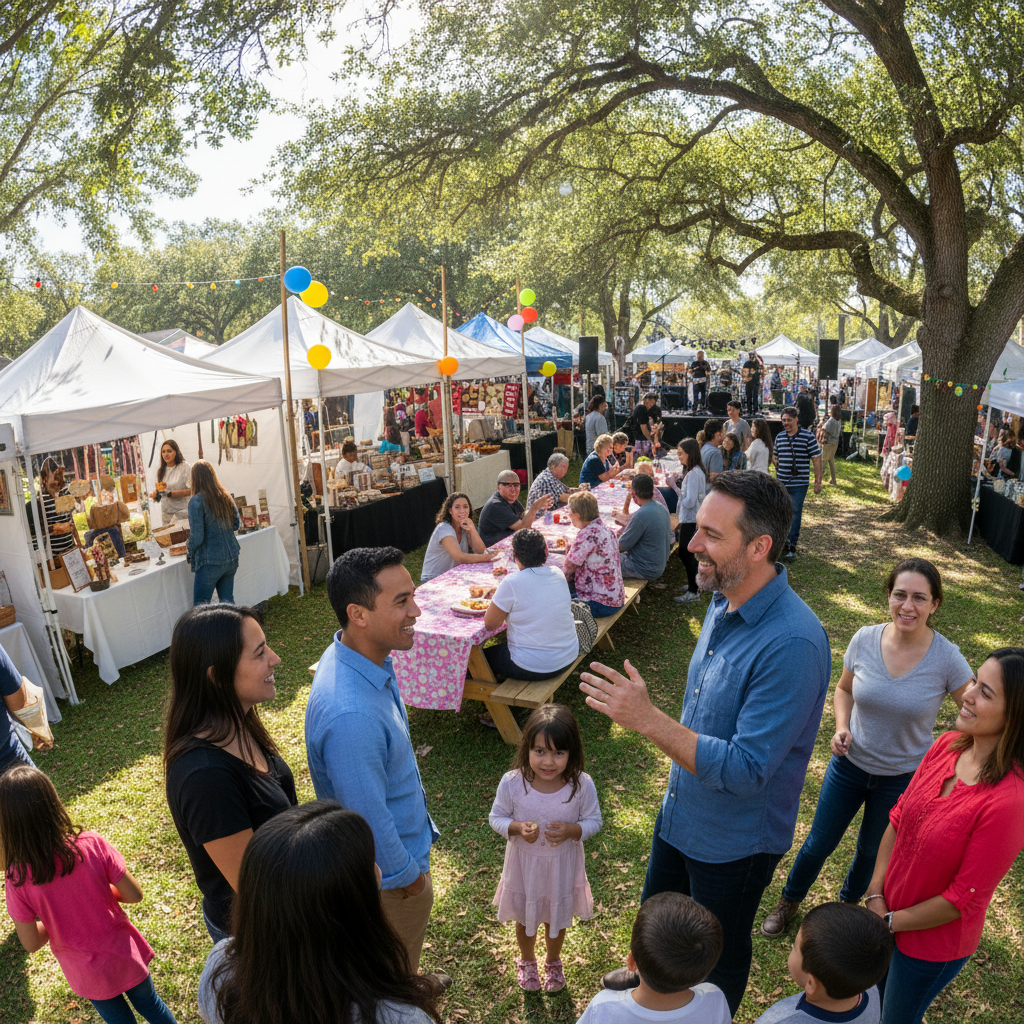
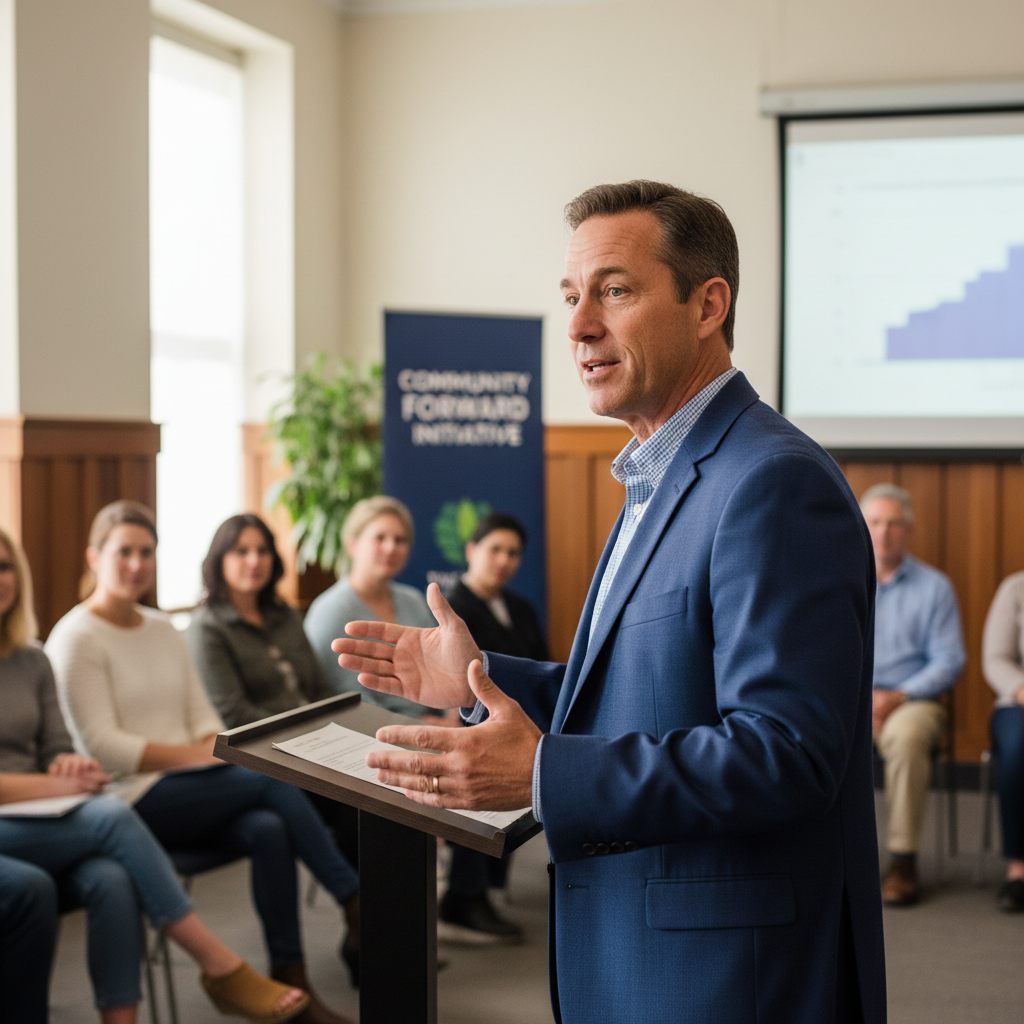
You sit at the table with your neighbors.
A town hall in your zip code. A conversation that includes the parent working doubles and the teacher buying pencils and the organizer who's been tracking this for years.
Together, your voices become a record.
An open letter to city council. A dataset that can't be dismissed as anecdote. Real names, real numbers, real families — on the record.
Policy follows the pressure.
Budget hearings. Zoning decisions. School funding formulas. These aren't distant abstractions — they're changed by people who showed up.
There's a seat
at this table
for you.
Attend a town hall in your zip code. Sign the open letter to your city council. Or share your own family's story — because the data is only as powerful as the names behind it.
Sit With UsChoose your action: town hall · open letter · share your story

2,847 families have already sat down.